




Vectors of Academic Partnership
On 27 May 2026, Minsk hosted the Third Forum of the League of Rectors of Universities of Belarus, Brazil and Russia. This year, Belarusian State University of Foreign Languages (BSUFL) served as the central venue for a major international event that brought together heads of higher education institutions. Over three years, the Forum has grown into a fully-fledged working platform that bridges geographical distances, unites academic communities and builds lasting ties between the three countries.
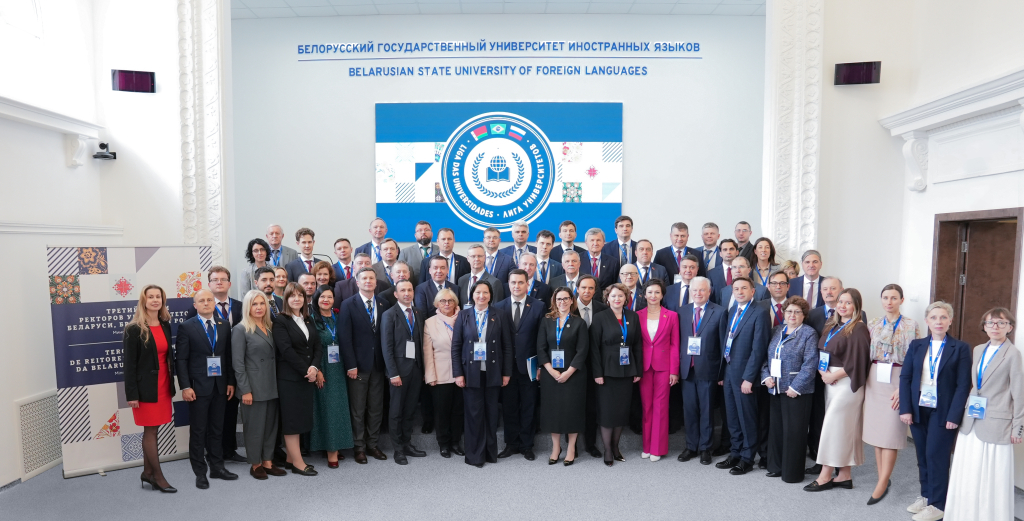
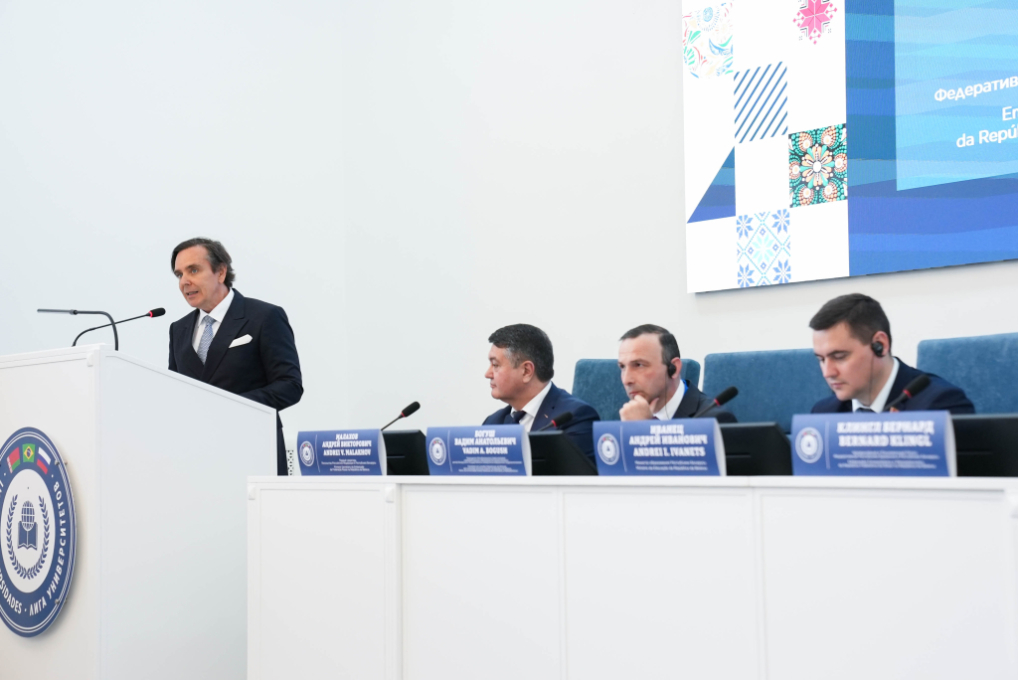
The official opening was attended by distinguished guests:
Andrei Ivanets, Minister of Education of the Republic of Belarus;
Konstantin Mogilevsky, Deputy Minister of Science and Higher Education of the Russian Federation;
Bernard Jorg Leopold de García Klingl, Ambassador Extraordinary and Plenipotentiary of the Federative Republic of Brazil to the Republic of Belarus;
Andrei Malakhov, First Secretary of the Embassy of the Russian Federation in the Republic of Belarus.
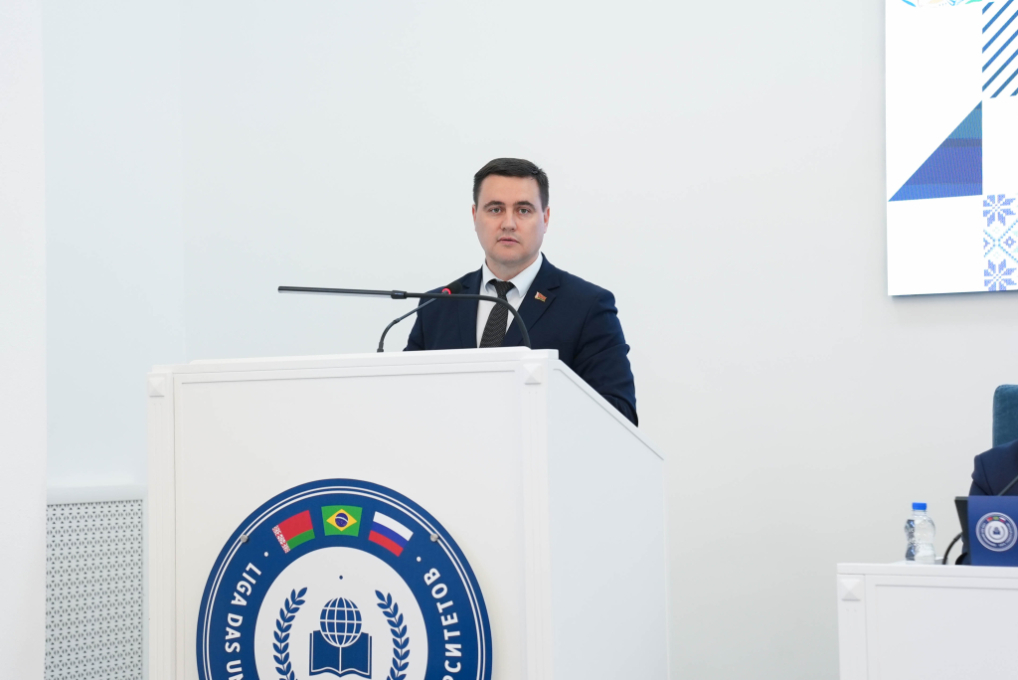
The welcoming addresses struck a common chord: the time has come to move from discussing ideas to taking concrete joint action. Minister of Education of the Republic of Belarus Andrei Ivanets noted that the regularity of these meetings has already transformed the League into a working mechanism for direct inter-university dialogue:
Today, the academic community faces serious challenges and tasks – deepening integration in research areas critical to the independence and sovereignty of our nations, expanding educational programmes and academic exchange schemes, organising internships, research events and forums, and supporting young researchers and student initiatives.
Deputy Minister of Science and Higher Education of the Russian Federation Konstantin Mogilevsky emphasised that the Forum is geared towards achieving practical results, and that developing trilateral cooperation creates additional opportunities for strengthening bilateral ties.
Ambassador Extraordinary and Plenipotentiary of the Federative Republic of Brazil to the Republic of Belarus Bernard Klingl described academic cooperation as one of the key diplomatic achievements of the current period, while First Secretary of the Embassy of the Russian Federation in the Republic of Belarus Andrei Malakhov stressed that exposure to different cultures and the exchange of experience lay the groundwork for the trust essential to equitable dialogue between states.
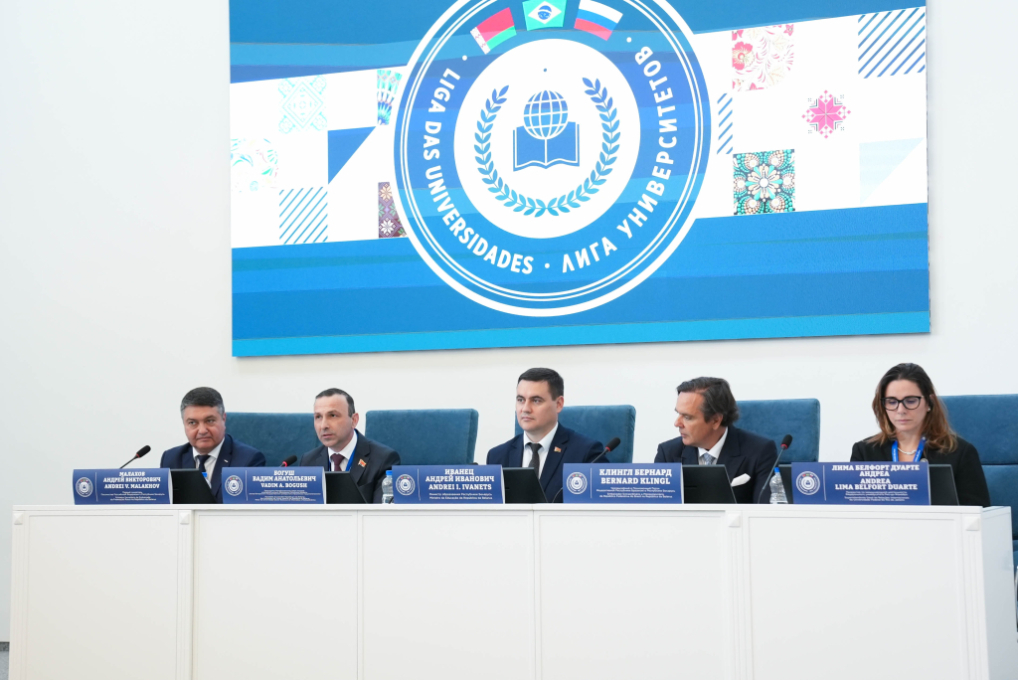
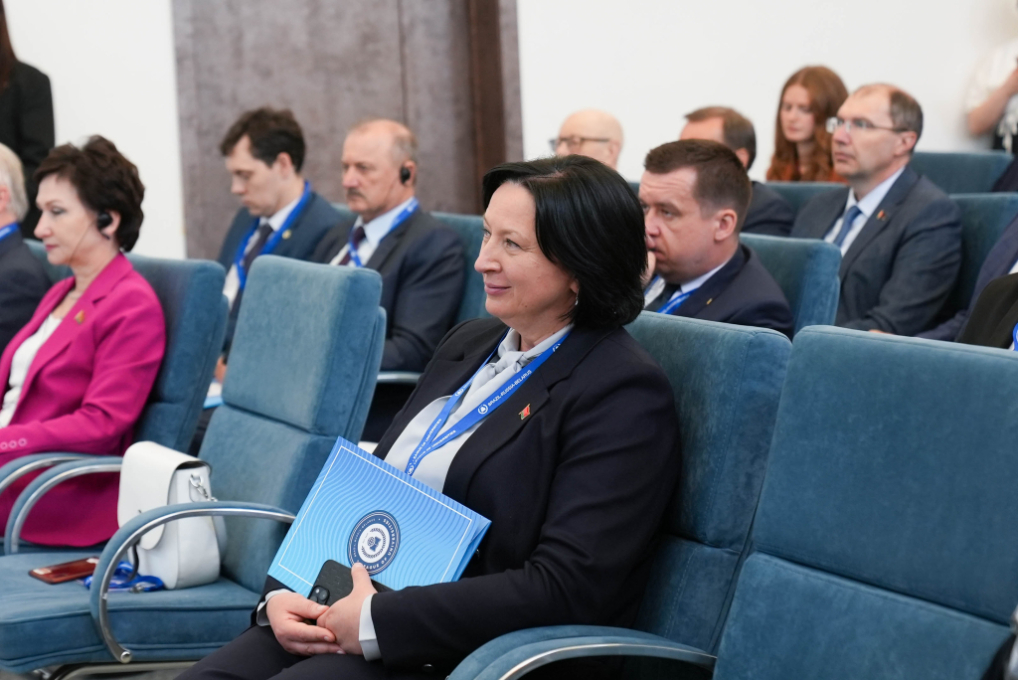
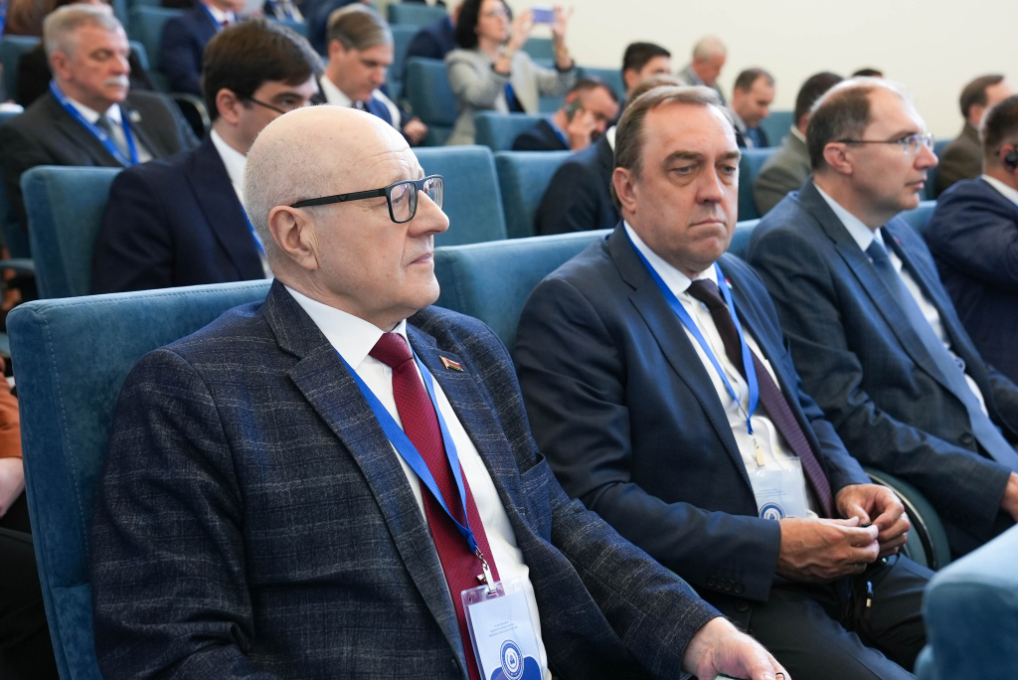
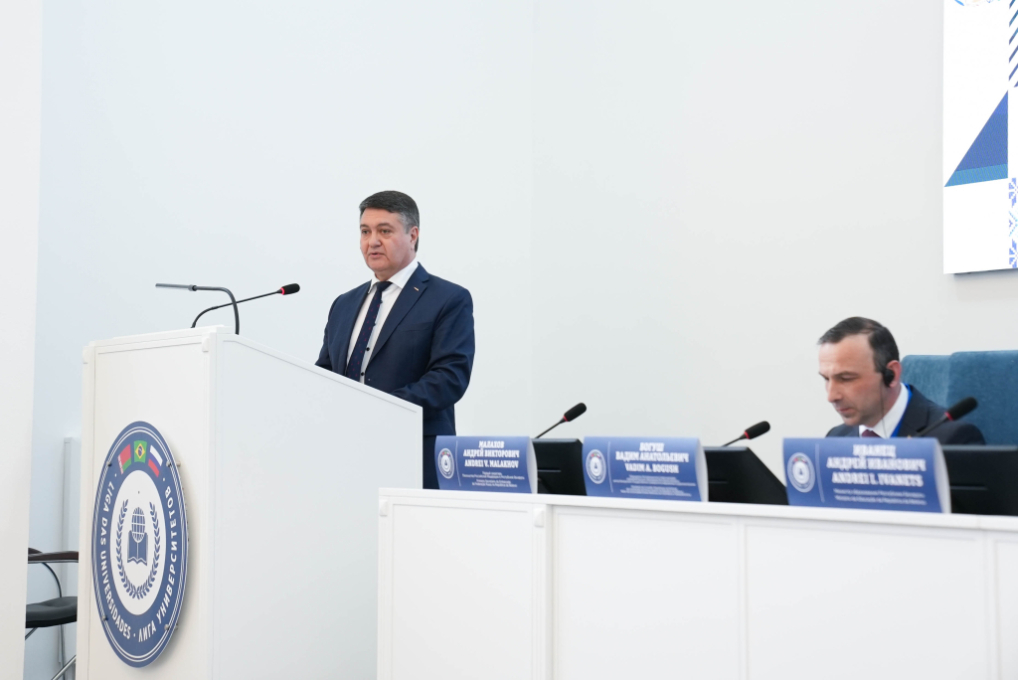
Strategic issues of cooperation and priorities for education and science in the coming years were discussed during the plenary session. Vadim Bogush, Chairman of the Republican Council of Rectors of Higher Education Institutions and Rector of the Belarusian State University of Informatics and Radioelectronics, noted that cooperation between higher education institutions in Belarus and Russia has been ongoing for over thirty years, and that Belarus has been productively engaged with Brazilian universities for a decade. The partnership began in 2015 with the signing of a bilateral agreement on cooperation in education. Key areas of collaboration identified included digital technologies, artificial intelligence, biotechnology, medicine, the agro-industrial sector and security. Andrea Lima Belfort Duarte, Vice-Rector for International Affairs at the Federal University of Rio de Janeiro, articulated the central task facing the academic community:
National sovereignty is impossible without science. Sustainable development is impossible without technology. And genuine strategic independence is impossible without international academic cooperation rooted in mutual respect, solidarity and the complementarity of nations.
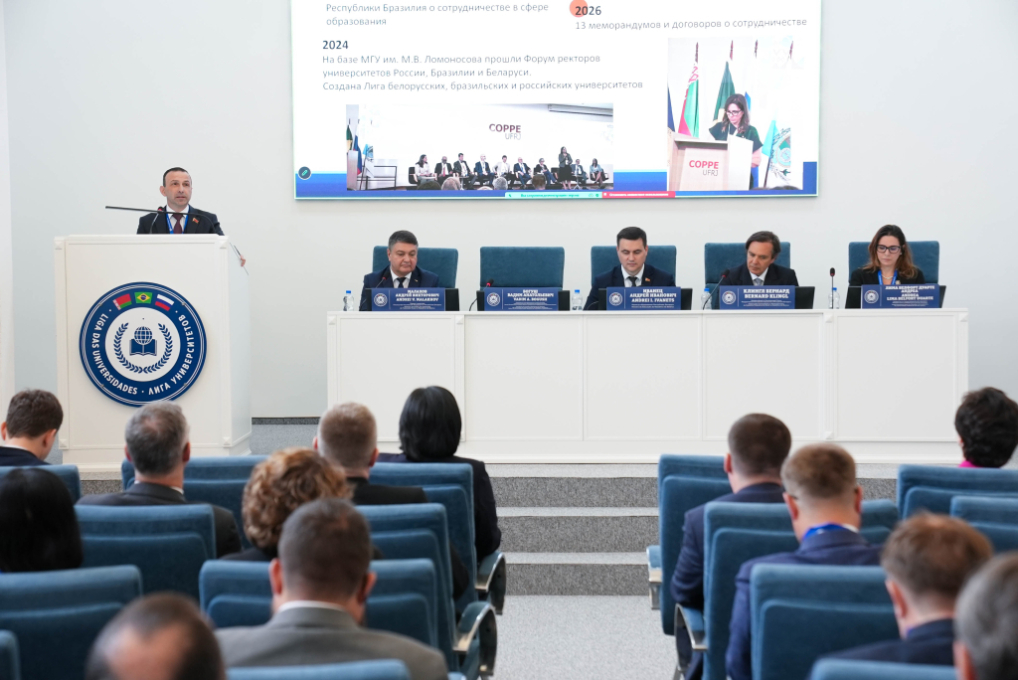
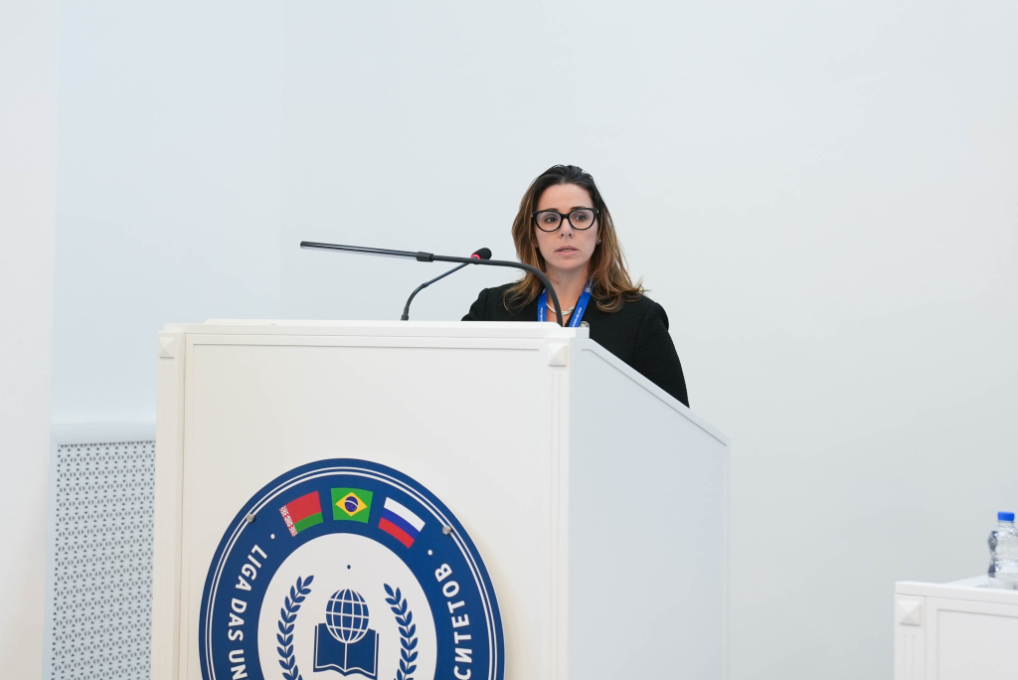
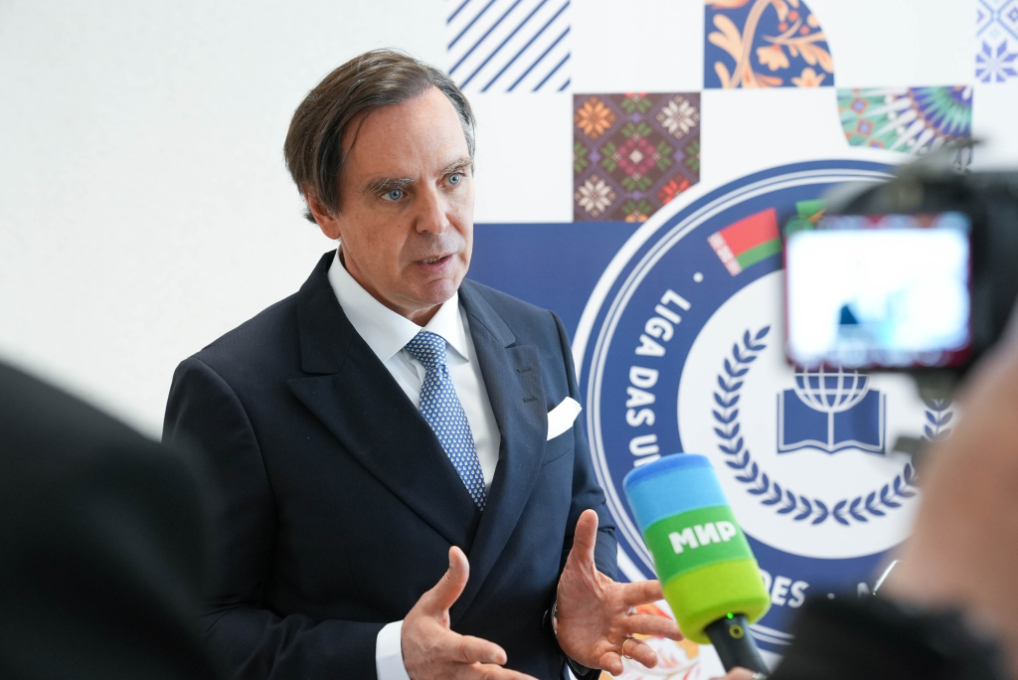
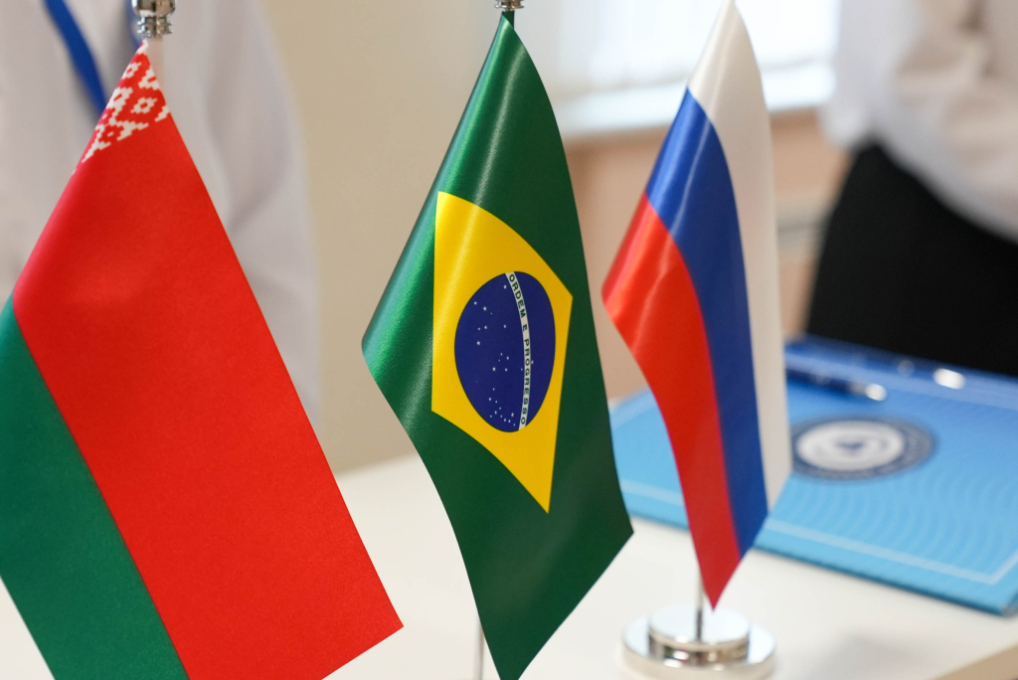
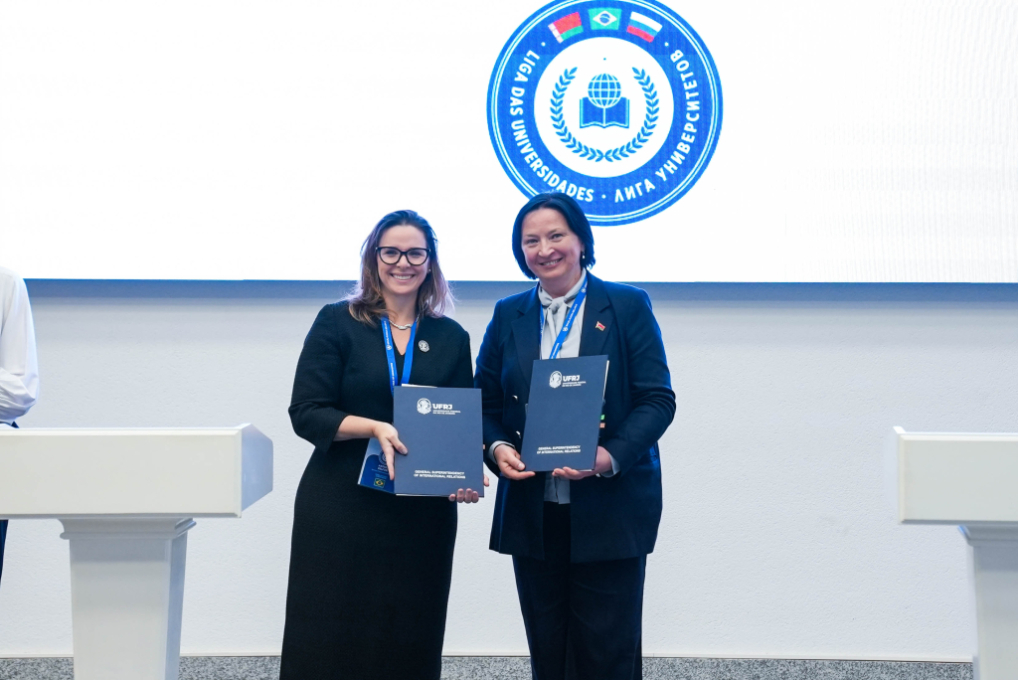
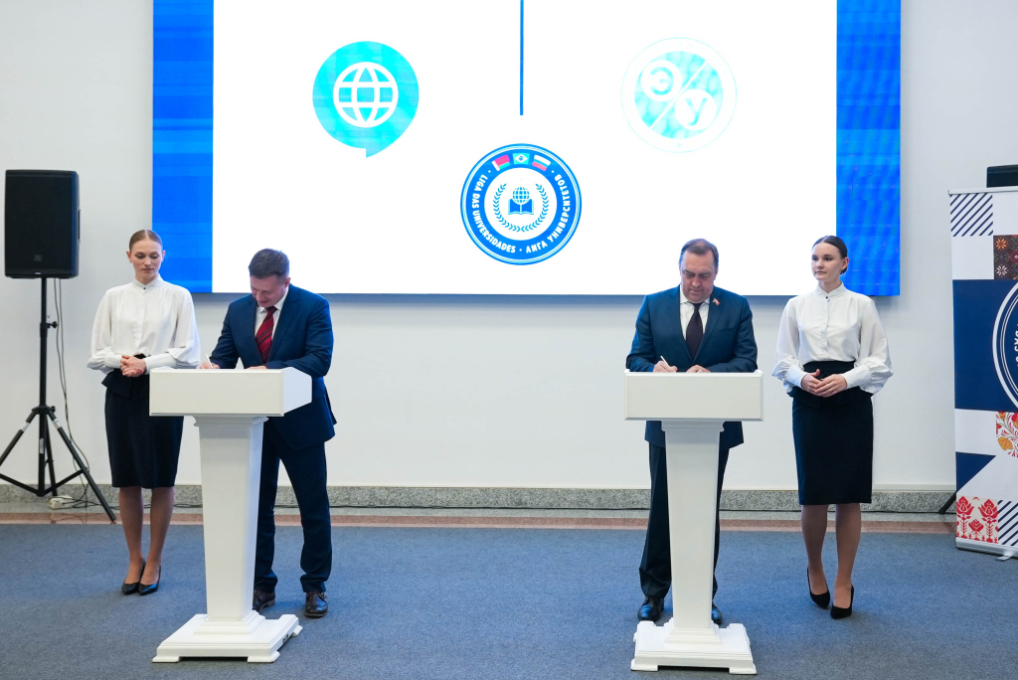
The highlight of the day was the signing ceremony. By the end of the Forum, representatives of 15 universities from the three countries had concluded 12 cooperation agreements. For BSUFL, hosting the event provided an opportunity to expand its international connections: the university signed cooperation agreements with Vladimir State University named after Alexander and Nikolay Stoletovs and a Memorandum of Understanding with the Federal University of Rio de Janeiro.
BSUFL Rector Natalia Lapteva remarked:
It is a great honour for us to host the Forum in a year when our university has set itself the strategic goal of deepening its engagement with Portuguese, including its Brazilian variant. Signing the Memorandum of Understanding with the Federal University of Rio de Janeiro is an important step in the development of our joint research activities.
According to the Rector, the new agreements will serve as a foundation for joint educational modules, research in digital linguistics and artificial intelligence, as well as cultural and educational online courses.
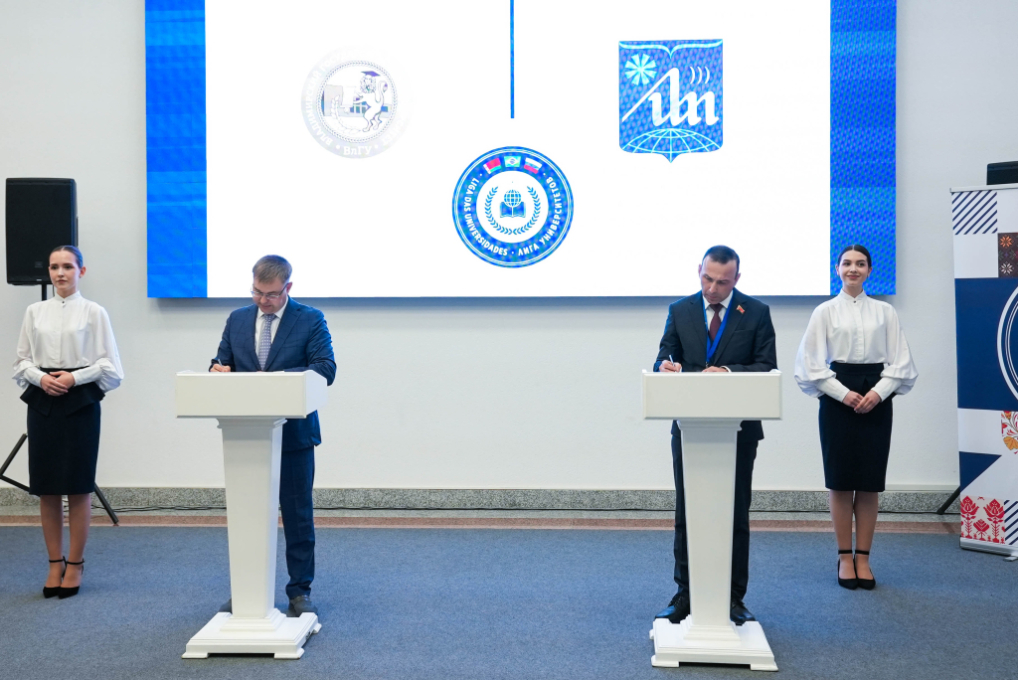
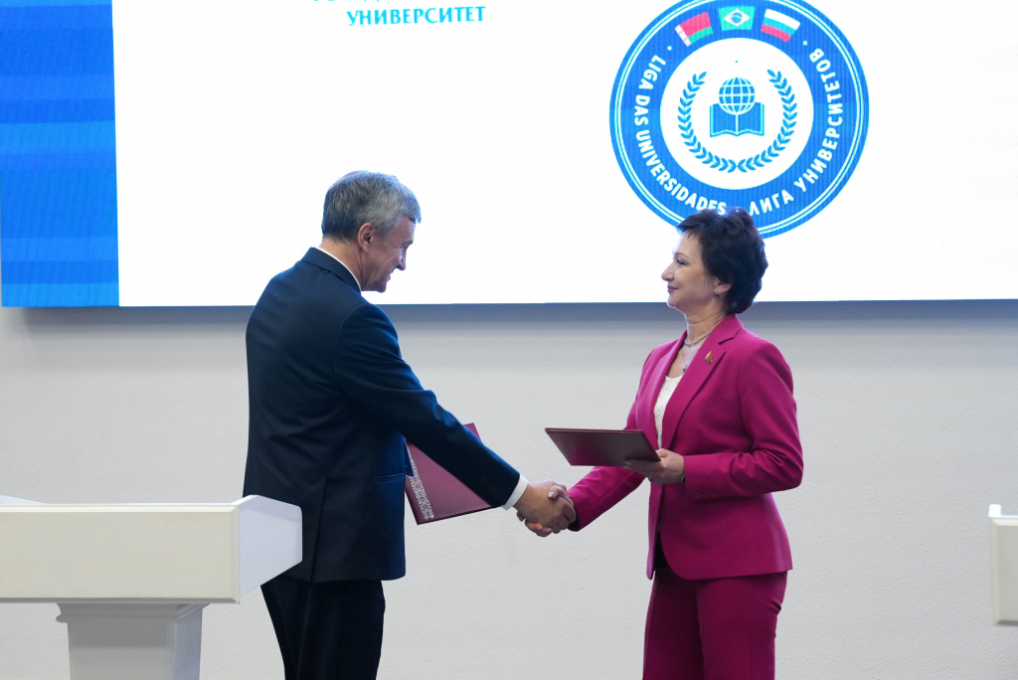
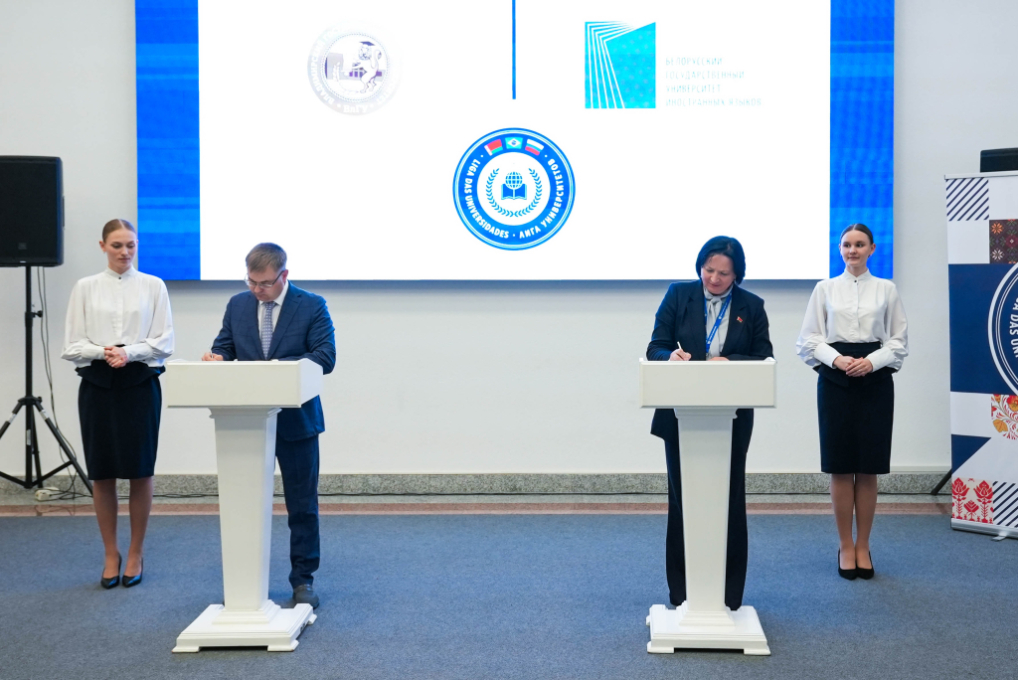
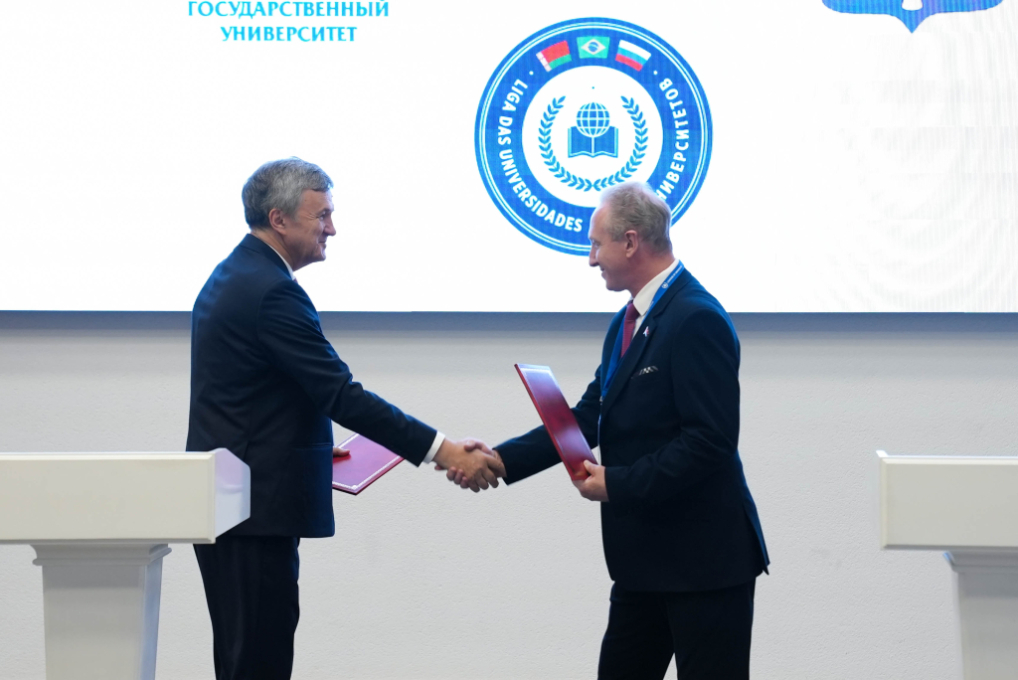
The Forum also featured plenary sessions. BSUFL hosted the session “Dialogue of Cultures and the Diplomacy of Knowledge: Partnership Strategies in a Changing World”, which explored mechanisms for the internationalisation of higher education, the role of language competencies in networked partnerships, and new formats for academic exchange adapted to contemporary realities. Belarusian State University hosted the session “Science, Technology and Medicine: Joint Solutions for Sustainable Development”. Both sessions were held in a hybrid format, allowing experts from different regions to join the discussion.
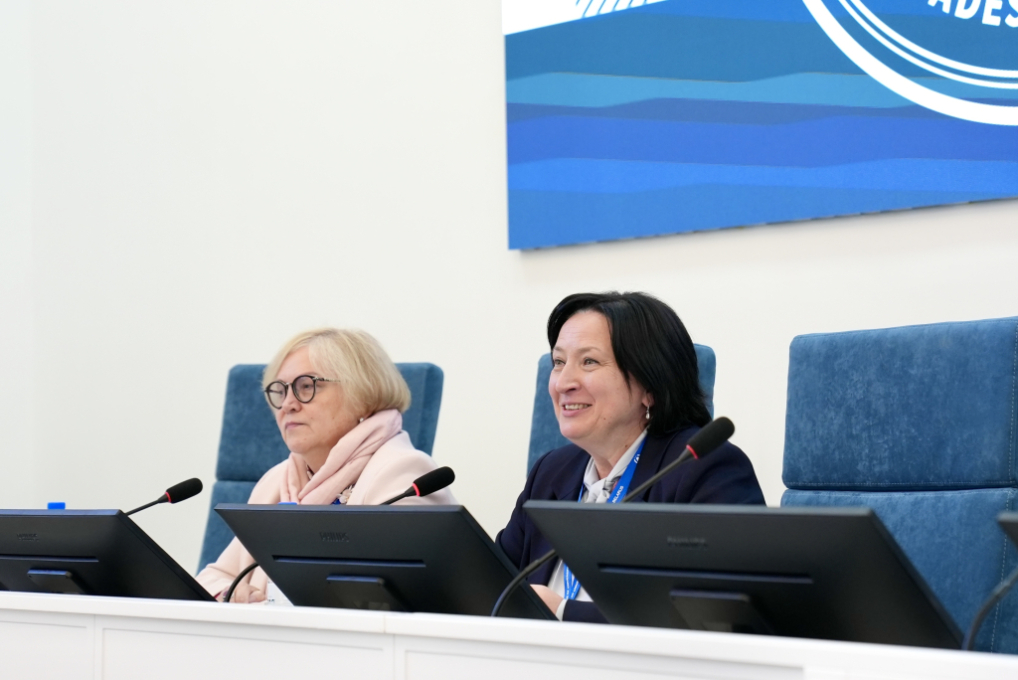
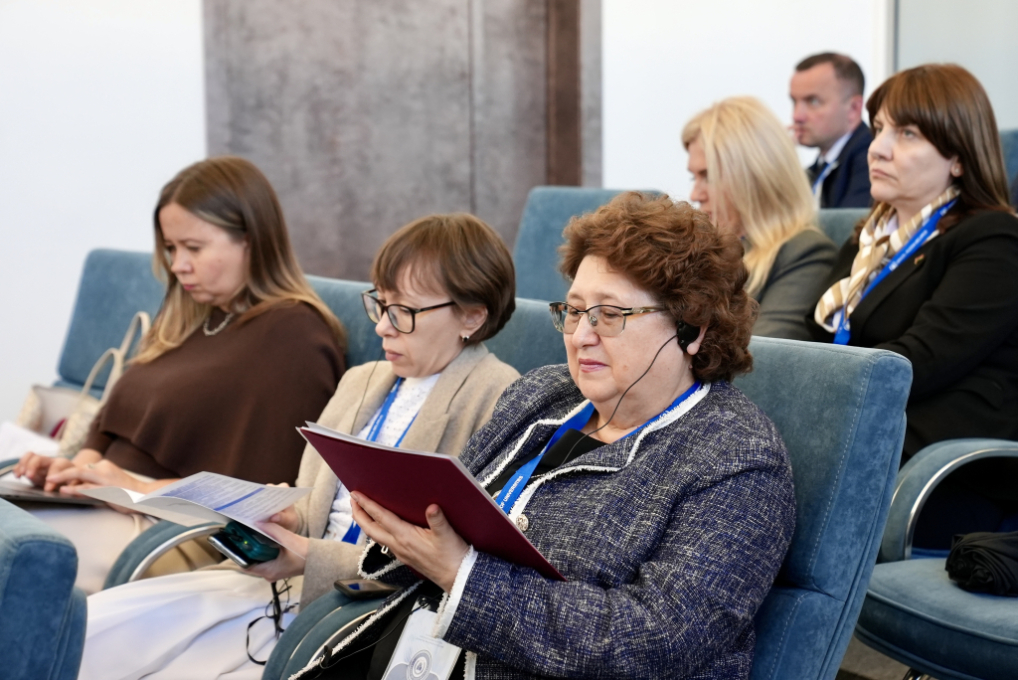
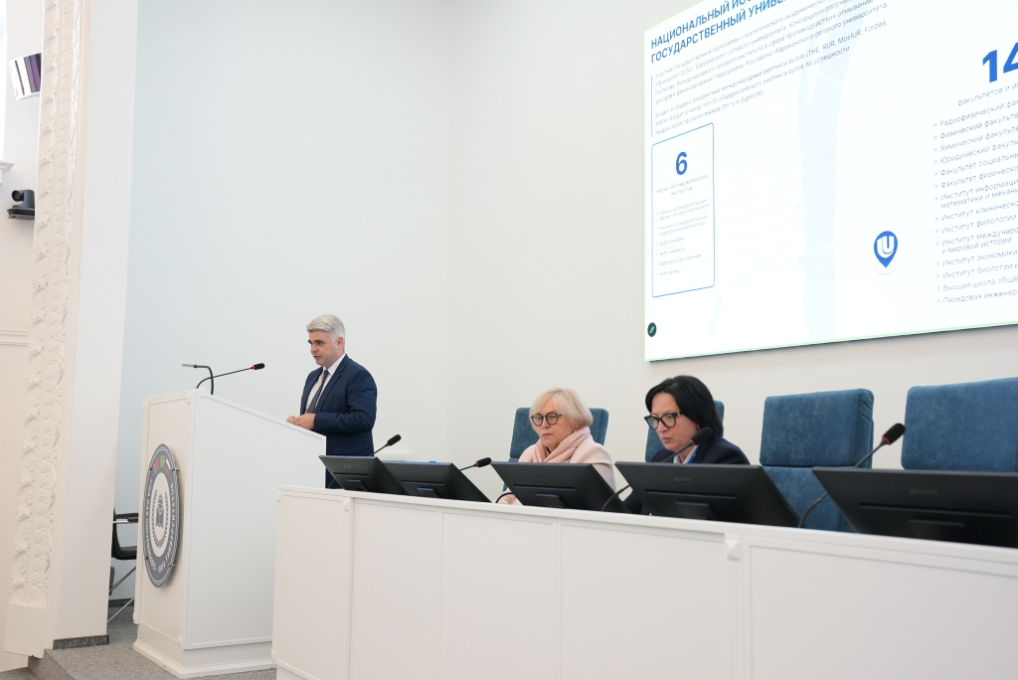
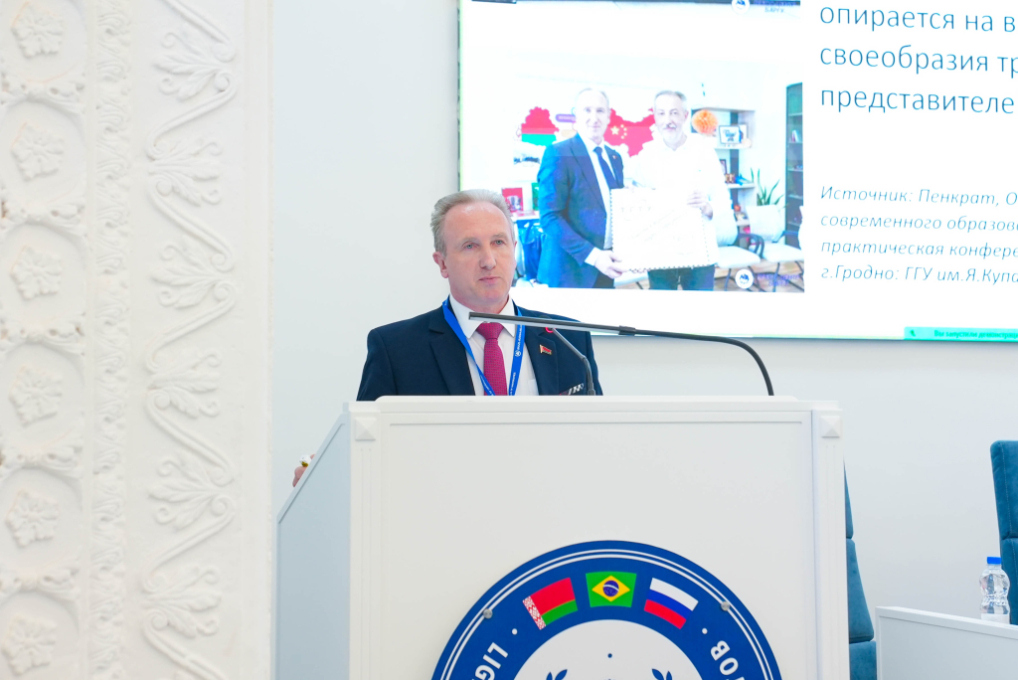
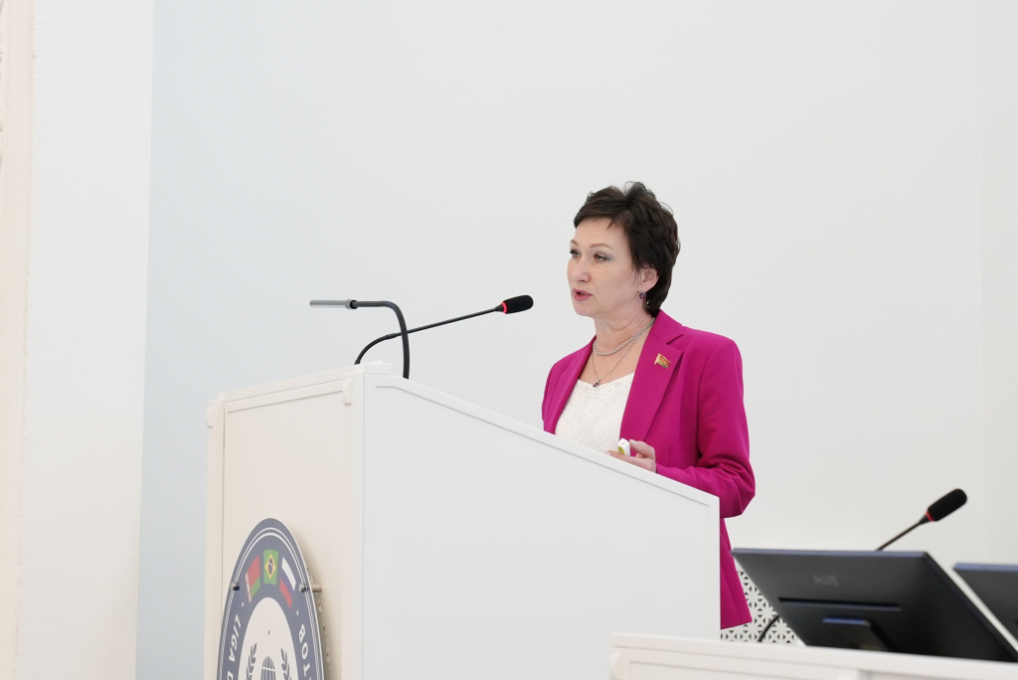
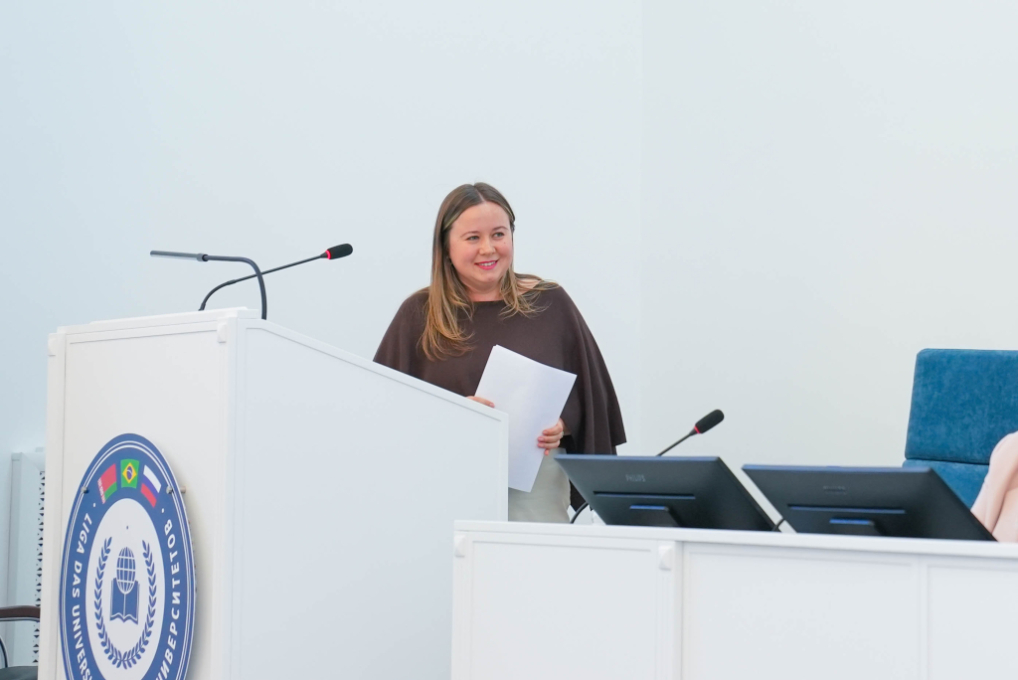
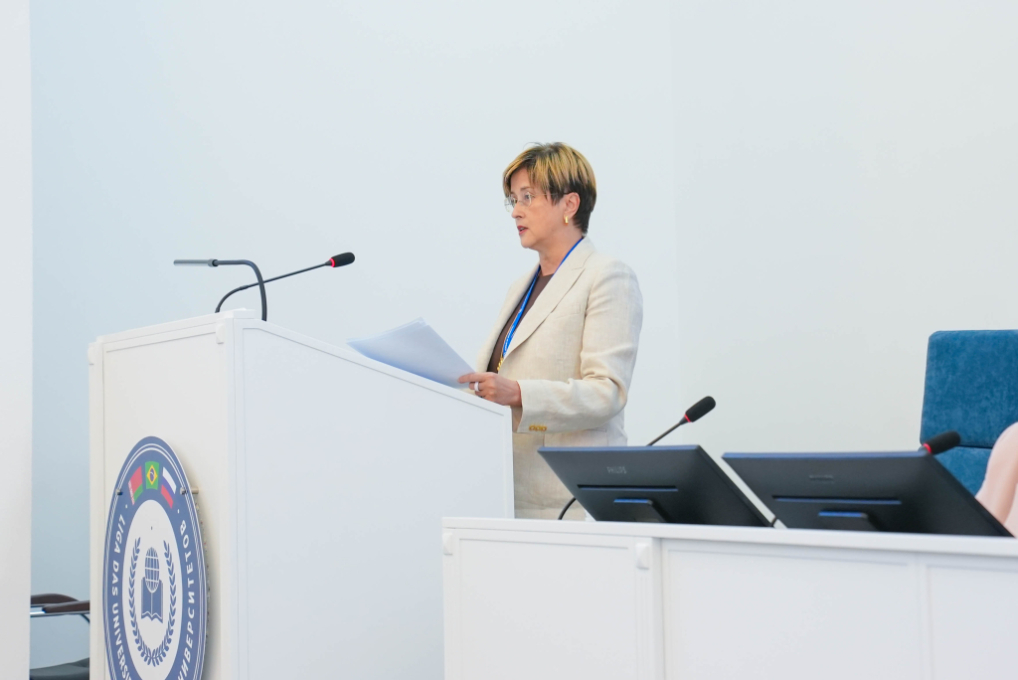
Thanks to the collective efforts of the organisers, the Forum once again confirmed its status as an effective platform for direct academic dialogue. The agreements reached will form the basis for joint educational programmes for the 2026–2027 academic year, and the working groups established will begin their implementation in the coming semester, continuing to build sustainable ties between the universities of Belarus, Brazil and Russia.
Mobile app
My University’ platform is designed to provide access to BSUFL services (information, news, schedule, etc.), as well as to get feedback from BSUFL administration.

My University